Two contaminants have taken over the water conversation, and neither one shows up in a glass.
You can’t see them. You can’t taste them. And unlike chlorine or hard water minerals, they won’t announce themselves with a smell or a ring around the tub. PFAS and microplastics have become the questions we field more than any others, and most of the answers floating around online are either scare tactics or sales pitches dressed up as science.
So let’s do this the Family Water way. Here’s what the research actually says about PFAS in Middle Tennessee water, what works, what does not, and how to check a claim before you spend a dollar on it.
What Are PFAS, and Why Does Everyone Call Them Forever Chemicals?
PFAS stands for per- and polyfluoroalkyl [pol-ee-floor-oh-AL-kill] substances. It is a family of thousands of manmade chemicals used since the 1940s in nonstick cookware, stain-resistant fabric, food packaging, firefighting foam, and a long list of industrial processes.
The nickname comes from the chemistry. The carbon-fluorine bond holding these compounds together is one of the strongest in organic chemistry, which means PFAS do not break down easily in the environment or in the human body. They accumulate.
That persistence is the whole problem. It is also why filtration matters more than dilution.
The EPA has set enforceable national drinking water limits for several PFAS compounds, including PFOA and PFOS, and utilities across the country are working toward compliance. But compliance timelines are long, and legal limits are not the same thing as your personal comfort level. That gap is where most homeowner questions live.
Does Boiling Water Remove PFAS?
No. And this is the single most important thing to know about PFAS in Middle Tennessee water.
Boiling works for biological contaminants like bacteria. It does nothing to PFAS, because PFAS do not evaporate the way water does. When you boil a pot of water, some of the water leaves as steam and the PFAS stay behind in what remains.
The result is water with a slightly higher PFAS concentration than what you started with. Boiling is not neutral here. It moves in the wrong direction.
Same story for a boil-water advisory, freezing, or letting water sit out. If you want PFAS reduction, you need a filter built for it.
Which Filters Actually Reduce PFAS?
This is where a 2020 study from Duke University and NC State, published in Environmental Science & Technology Letters, became the most-cited research in the industry. Researchers tested 76 point-of-use filters and 13 whole-house systems in real homes, not in a lab, and the spread in performance was dramatic.
Three technologies have real evidence behind them, and they are the ones worth considering for PFAS in Middle Tennessee water.
Reverse Osmosis
Reverse osmosis pushes water through a semi-permeable membrane with openings small enough to reject PFAS molecules. In the Duke study, under-sink reverse osmosis systems reduced PFAS levels, including GenX, by 94% or more.
It was the most consistent performer in the study, across both long-chain compounds like PFOA and PFOS and the shorter-chain versions that give other technologies trouble. If you want one drinking water solution with the broadest coverage, this is it.
Activated Carbon
Carbon filters work by adsorption, meaning contaminants stick to the carbon surface as water passes through. Carbon is the technology inside most pitchers, fridge filters, and faucet-mount units.
The Duke researchers found activated carbon removed 73% of PFAS on average, but the average hides the story. In some homes the reduction was near-complete. In others it was zero. There was no clean pattern by brand, filter age, or starting water chemistry.
Translation: your pitcher might be helping. It might not be. You cannot tell by looking at it.
Carbon block certified for PFOA and PFOS reduction performs better than loose granular carbon, and maintenance matters enormously. A saturated filter can release what it previously captured.
Ion Exchange
Ion exchange resins pull PFAS out of water through a charge-based swap. They tend to handle short-chain PFAS well, which is exactly where carbon struggles. This is one reason multi-stage systems outperform single-technology ones. Each stage covers a different gap.
The Finding About Whole-House Systems
Here is the part that gets repeated, and it deserves honest context rather than a shrug.
Among the 13 whole-house systems tested, results were the most inconsistent in the study, and a few actually showed higher PFAS in the treated water than in the untreated water going in. Those units were carbon-based, and the likely explanation is filter saturation. Media that has absorbed all it can hold starts letting go.
That is not an argument against whole-home treatment. It is an argument against the wrong media, the wrong size, and the wrong maintenance schedule. A whole-home system sized to your actual water and serviced on time does its job. One installed by guesswork and forgotten for four years becomes a liability.
This is the difference between buying equipment and getting a solution.
For most Middle Tennessee homes, the honest answer is a layered one. Whole-home treatment handles everyday water for showers, laundry, and appliances. Reverse osmosis at the kitchen sink handles what you drink and cook with. Neither one replaces the other.
How to Verify a Filter Claim: NSF/ANSI 53 and 58
Any company can print “reduces PFAS” on a box. Independent certification is how you check a claim, and it is the fastest way to filter marketing out of a decision about PFAS in Middle Tennessee water.
NSF/ANSI 53 covers health-related contaminant reduction for filters, including certified claims for PFOA and PFOS reduction.
NSF/ANSI 58 is the standard specific to reverse osmosis systems, and it now includes PFAS reduction testing protocols.
Two things to watch for. First, certification is claim-specific. A filter can be certified to NSF/ANSI 53 for lead and say nothing about PFAS, so read what the certification actually covers rather than the standard number alone. Second, most published test data reflects a brand-new filter. Performance at month six is a different question, and it is the reason replacement schedules are not a suggestion.
You can look up any certified product directly in NSF’s public listings. If a product is not there, that tells you something.
Microplastics and Nanoplastics: The Newer Half of the Conversation
Microplastics are plastic fragments smaller than five millimeters. Nanoplastics are the subset smaller than one micrometer, roughly 100 times thinner than a human hair.
Size is the whole concern. Larger fragments generally pass through the digestive system. Nanoplastics are small enough that researchers are actively studying whether they cross biological barriers and accumulate in tissue. The health picture is genuinely unsettled, and anyone telling you otherwise is ahead of the science.
What has changed recently is detection. New methods can identify particles far smaller than older techniques could, which means recent studies report much higher counts than earlier ones. The plastic was always there. We just could not see it.
The Bottled Water Finding That Surprises People
Bottled water is not the safe alternative here. In one recent study, it was the worst option.
Ohio State researchers, publishing in Science of the Total Environment in early 2026, compared water from four municipal treatment plants against six nationally available bottled water brands. Bottled water contained roughly three times as many nanoplastic particles as the treated tap water.
The most common plastic they identified in bottled samples was PET, the material used to make bottles and caps. In other words, a meaningful share of the contamination is coming from the container itself, shedding into the water it holds.
If your plan for cleaner drinking water is a case of bottles from the grocery store, the research suggests filtered tap water in a glass or stainless-steel container is the better move. It is also cheaper, and your car floorboard will thank you for the company.
Reverse osmosis is currently the most capable household technology at this scale, because RO membranes filter at a level most pitcher and carbon filters were never designed to reach.
What This Means for Middle Tennessee Homes
Every utility district here reports different numbers. Rutherford County water is not Williamson County water, and a home on a private well is a separate conversation entirely from a home on municipal supply.
There is no single answer to PFAS in Middle Tennessee water, because there is no single Middle Tennessee water. That is why we start with testing instead of assumptions. A free in-home water test tells you what you are actually dealing with, and the treatment plan follows from the result rather than from a brochure.
No fear pitch. No today-only pricing. Just your water, your numbers, and your options.
Common Questions
Does a refrigerator filter remove PFAS? Sometimes, and unpredictably. Most fridge filters are carbon-based, and carbon results in the Duke study ranged from complete removal to none at all. Check for a certified PFOA/PFOS claim rather than assuming.
Does a water softener remove PFAS? No. Softeners address hardness minerals like calcium and magnesium, which are a common concern for Middle Tennessee homes but a completely separate one. They are not designed for PFAS reduction and should not be sold to you as though they are.
Do I need whole-home and reverse osmosis, or just one? It depends on your goals. Whole-home covers everything you shower and wash in. Reverse osmosis covers what you drink. Many families do both, and plenty start with one and add the other later.
How often do filters need to be replaced? Follow the manufacturer’s schedule, and treat it as a hard requirement rather than a nudge. Saturated media is where the “made it worse” results in the research came from.
Are microplastics regulated in drinking water? Not currently at the federal level. Testing methods are still being standardized, which is part of why the research keeps shifting.
What’s in Your Local Water?
You don’t have to take anyone’s word for it, including ours. We have pulled together the reported numbers and common questions for communities across the region, so you can look at PFAS in Middle Tennessee water where you actually live instead of guessing from a national average.
Then, when you are ready to talk about options, schedule your free in-home water test and let our family help take care of yours.
Related Posts
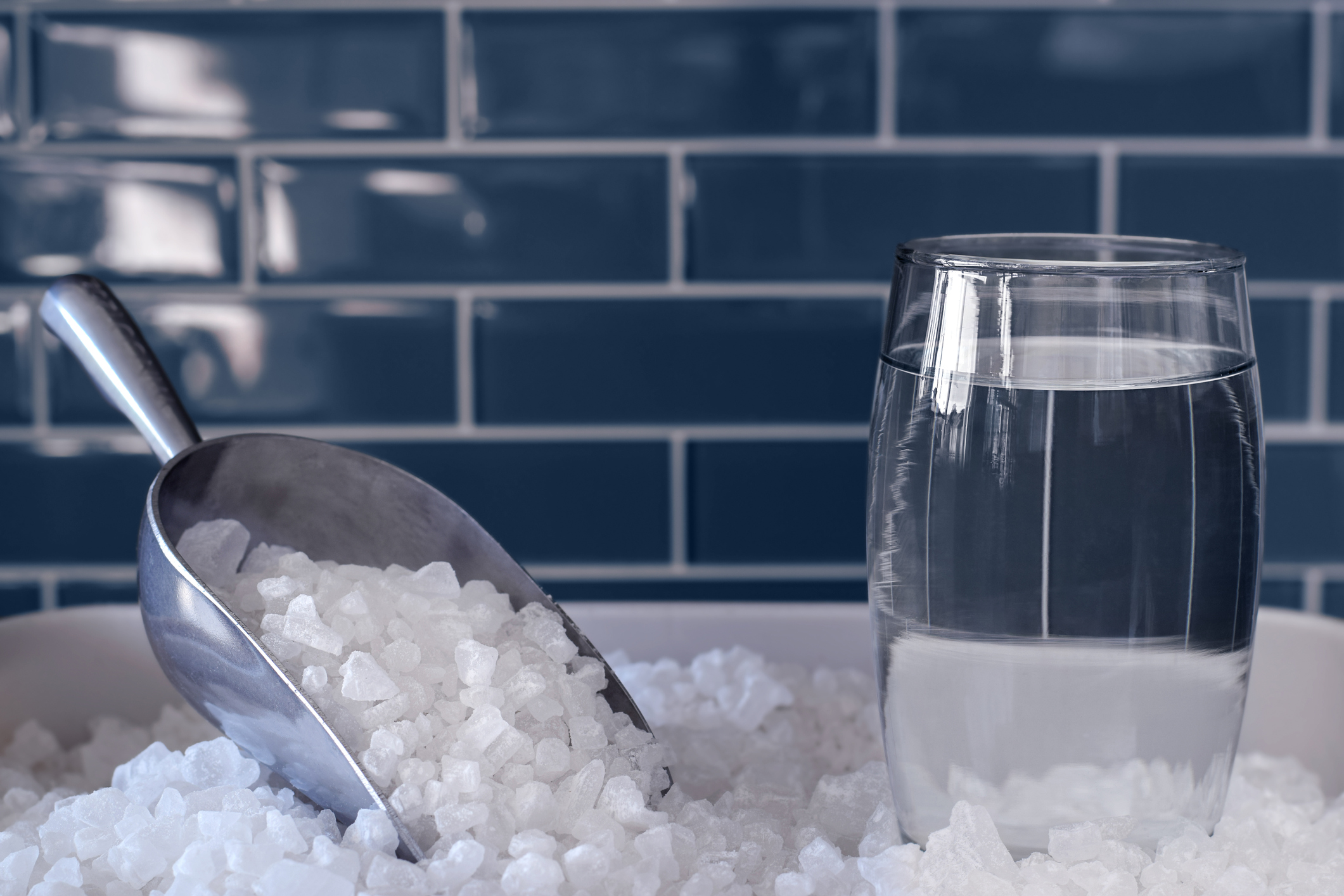
What Type of Salt Should I Use in My Water Softener?
Not all water softener salt is the same. Learn which salt protects your system and which types cause bridging, residue, and resin damage.
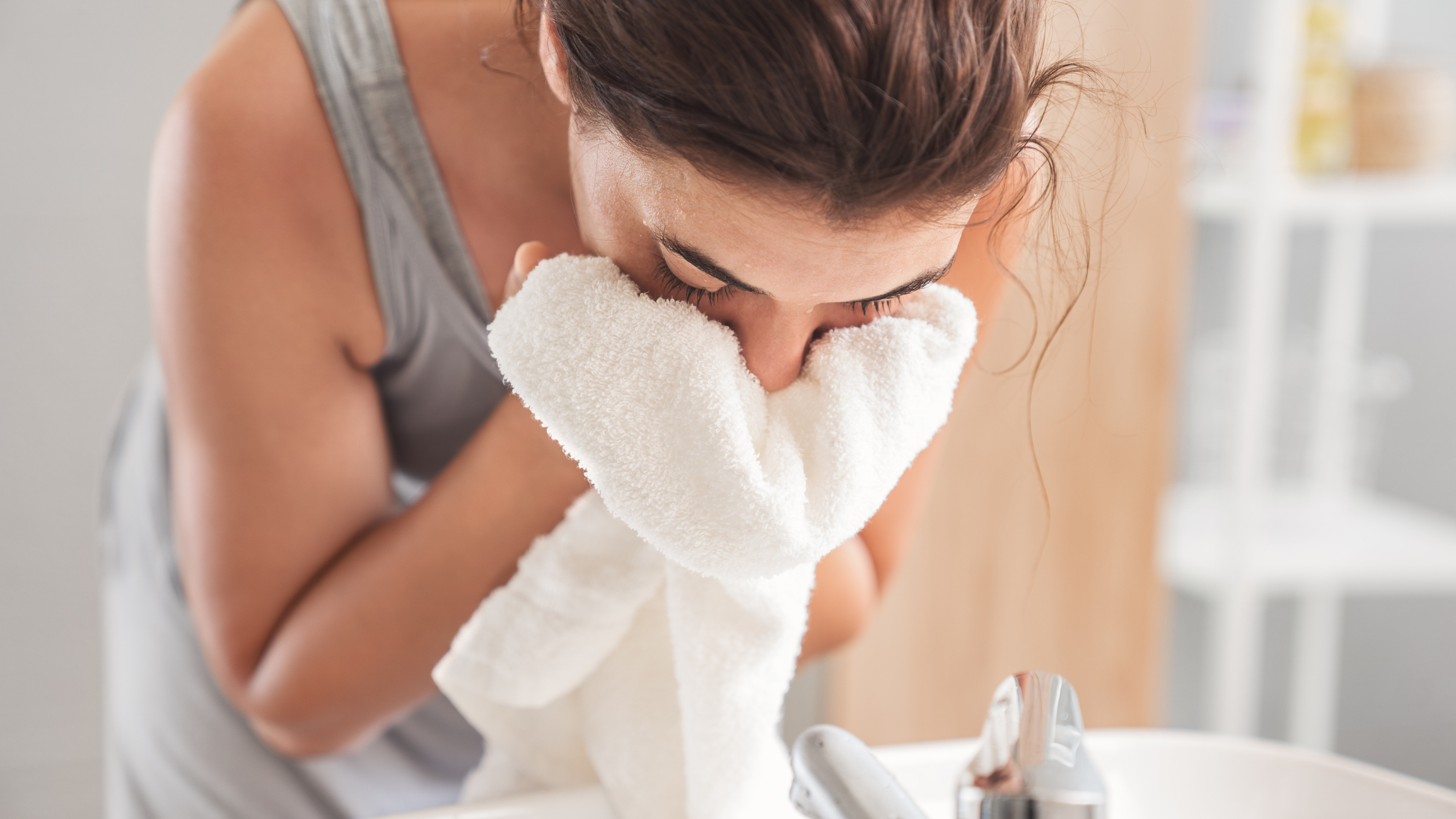
Water Treatment and Skin Health: Connecting the Dots
Water treatment and skin health go hand in hand. See how cleaner water may help reduce dry, itchy skin in homes across Middle Tennessee.
The holidays are here and what better time to brush up on your hosting skills?! Secure your title as the best host this Christmas with these 5 tips! (Spoiler alert: these tips are good all year long, so be sure to take notes or bookmark this blog for future reference!)
1) Prepare a welcome basket for your guests!
Make your home feel a little more like your guests’ own with a welcome basket! Stock it with toiletries such as toothbrushes, toothpaste, shampoo, and conditioner, a magazine or two, a card with your wifi information, and maybe even their favorite Christmas candy! This is such a fun, festive way to welcome your guests into your home.
2) Make everyday items easy to find in your home!
While you might know where everything in your house is, your guests probably don’t! No one wants to snoop around your cabinets and drawers just to find some scissors. Go through your day and think about all of the household items you use on a regular basis, then make sure those items are easily accessible for your guests!
3) Prepare your food ahead as much as you can!
As easy as procrastination can be, preparation is key to being a better holiday host! With guests to entertain, your own family to take care of, and meals to cook, it’s easy to get bogged down in the to-do’s in the moment! That’s why committing to cleaning, chopping, and additional food prep ahead of time will help free up some much-needed time as you host!
4) Treat your guests to cleaner, healthier water!
Water is probably the most utilized resource throughout your entire home. From showers and baths to dinner dishes and delicious seasonal drinks, you and your guests will be using your water the duration of their stay. Make sure that yours is clean, safe, and healthy for all with a whole-house water filtration system! Not only will your guests thank you, but so will your family all year long! Enjoy healthier skin and hair, longer appliance life spans, brighter whites in the laundry, a lowered toxin burden, and more with a system! Learn more now by scheduling an appointment with one of our local water experts!
5) Give yourself some grace!
This might be the most important time we have. Hosting during the holidays can be stressful, so be sure to cut yourself a little slack! Your list might not get completely checked off, you might be a casserole, and you might have to run to the grocery store more than once, but remember that you are doing a great job and your guests are having a great time, no matter how overwhelmed you may feel! You can do it!
From welcome baskets to gifts of grace, we hope that you found these 5 tips helpful as you prepare to host this holiday season! If you are interested in learning more about how a whole-house water filtration system can be a gift for you, your family, your guests, and your home, schedule an appointment with us by clicking below! Hosting or not, we would be honored to help bring better water to your home this holiday season!
Hosting Thanksgiving or Friendsgiving this year? You’ve triple-checked the guest list, ironed the tablecloths, and prepped Grandma’s stuffing recipe, but have you considered the water coming out of your tap?
It might sound minor, but water quality can make or break the flavor of your food and drinks. From flat-tasting coffee to funky-tasting pasta water, poor water can sabotage your best dishes.
Let’s break down how to protect the taste of your holiday table from the top down, starting with what’s in your glass (and your pot, and your stock…).
Why Water Quality Impacts Taste
Water isn’t just a background ingredient; it’s often the main ingredient. Whether you’re boiling, baking, or brewing, if your water tastes like a chemistry experiment, your food will too.
Common Offenders in Tap Water:
- Chlorine – Adds a pool-water aroma to soups, sauces, and drinks.
- Hard Water Minerals (like calcium and magnesium) – Can leave a bitter, metallic aftertaste and mess with your bread rise.
- Sediment or Rust – No one’s asking for a side of iron oxide with their green bean casserole.
Clean water enhances the natural flavors of your ingredients. Dirty water dulls them or worse, alters them entirely.
The Holiday Menu Breakdown: Where Water Plays a Role
Here’s where clean water really struts its stuff on the holiday table:
1. Coffee & Tea
Using tap water for your post-feast coffee? Don’t. Minerals and chlorine kill the flavor. Clean, filtered water lets your beans and leaves shine.
2. Soups & Stocks
From turkey bone broth to butternut squash bisque, water is the base. Better water = richer, cleaner taste.
3. Boiled Veggies & Pasta
Hard water can toughen your green beans and affect pasta texture. Yes, even macaroni deserves clean water.
4. Baking Bread or Rolls
Chlorine can interfere with yeast, making your bread less fluffy and more “meh.”
5. Cocktails & Ice Cubes
Ever had a cocktail that tasted like tap? Not on your watch. Filtered water makes crisp ice and clean mixers.
Your Secret Ingredient? Clean Water.
We won’t crash your party with a sales pitch, but we will say this: If your water tastes off, it’s not your cooking, it’s your tap.
Family Water installs whole-home water filtration systems that:
- Remove chlorine and chemical contaminants
- Eliminate scale-causing minerals
- Make every drop taste fresher, smoother, and yes—more holiday-worthy
We’re the trusted local installers for Aquasana, the nation’s #1 direct-to-consumer filtration brand (backed by AO Smith). Translation: Big-league tech, hometown care. So if you’re prepping a feast and want it to taste its best, from cranberry sauce to coffee, we’re your flavor-saving sidekick.
Ready to make this your best-tasting holiday yet? Schedule your free in-home water test today. (No hard sell, no weird pressure—we’ll leave that to your extended family.)